Professional Water Damage Restoration for Quick Recovery
Expert Water Damage Restoration Services: Understanding the Process and How We Can Assist You
Water damage has the potential to upend daily life and undermine the structural integrity of a property. Professional restoration solutions are built to tackle these issues in a systematic manner. Beginning with thorough evaluations and extending to efficient water extraction, every phase plays a critical role. Familiarizing yourself with the procedure can bring comfort and a greater sense of confidence. What targeted actions are employed to secure comprehensive drying and ward off potential future concerns? The answers may surprise you.
What to Anticipate During Water Damage Restoration
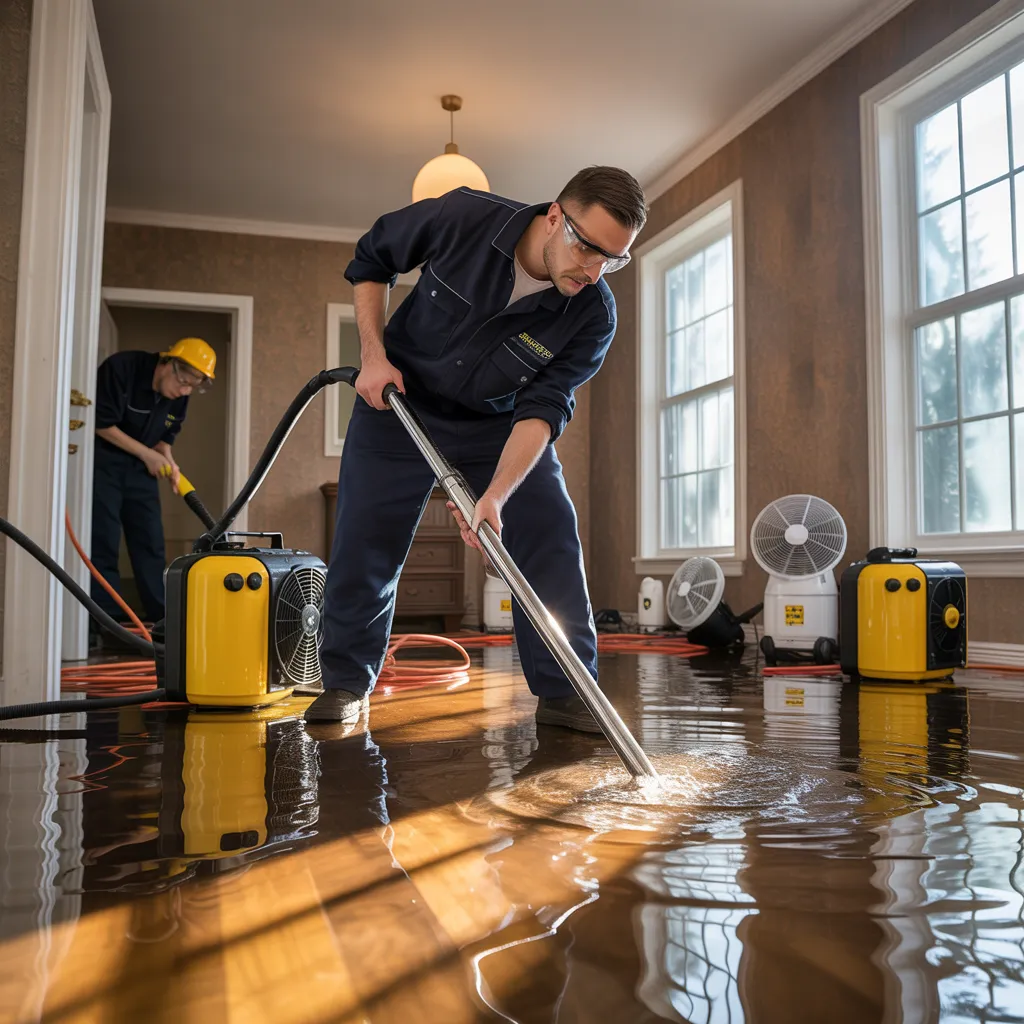
When dealing with water damage restoration, homeowners can rely on a systematic approach to addressing the issue. The process generally starts with the rapid removal of existing standing water, employing vacuums and pumps to mitigate further damage. Subsequent to this, professional-grade equipment such as industrial dehumidifiers and air movers is utilized to completely dry all affected areas, making certain that residual moisture does not contribute to mold development.
Next, technicians examine the overall structure of the building, examining ceilings, walls, and floors for evidence of structural issues. Trained specialists also concentrate on sanitizing and cleaning the compromised surfaces, utilizing targeted treatments to remove harmful substances. Throughout this phase, clients are continuously briefed about progress and any necessary repairs. By following this systematic approach, the recovery effort aims to return the residence to its pre-damage condition, providing peace of mind and comfort for the inhabitants.
First Assessment: What Happens First?
How can homeowners guarantee a thorough response to water damage? The initial evaluation is essential in the restoration process. Upon arrival, specialists carry out a comprehensive inspection to identify the full extent of the damage. They examine impacted areas, including walls, floors, and ceilings, to detect concealed moisture and possible structural concerns. Utilizing advanced equipment, such as moisture meters and infrared cameras, technicians can identify water intrusion that may not be apparent to the naked eye.
In addition to evaluating the physical damage, the team reviews the cause of the water intrusion, whether it is from a broken pipe, flood event, or additional sources. This information helps in devising an effective restoration plan. Residents can anticipate a comprehensive document detailing the assessment results and advised measures. This early inspection lays the basis for all following remediation activities, ensuring a targeted and efficient approach to recovery.
How We Handle Water Removal Efficiently
Restoring water-damaged properties requires advanced extraction techniques to remove excess water quickly and effectively. After the extraction process, comprehensive drying procedures ensure that every trace of moisture is removed, preventing further damage and mold growth. These methods are essential for bringing properties back to their pre-loss condition in a timely manner.
Advanced Extraction Techniques
Efficient water extraction depends on advanced extraction techniques that guarantee quick and comprehensive moisture removal. Professional water damage restoration services make use of professional-grade machinery, such as industrial vacuums and submersible pumping systems, built to remove standing water efficiently. Such equipment can rapidly remove significant amounts of standing water, minimizing the potential for structural damage and mold growth.
Additionally, skilled specialists assess the impacted zones to determine the most effective extraction method, making certain that water lodged in padding, walls, and carpets is addressed. Thermal imaging cameras may be employed to identify hidden moisture pockets, facilitating a comprehensive extraction process. By implementing these sophisticated approaches, recovery specialists substantially decrease drying time, enabling a more efficient recovery from water-related damage.
Comprehensive Drying Methods
Remediation specialists implement meticulous drying techniques to verify that all moisture is eradicated from affected areas. They employ commercial-grade dehumidifiers and air movers to establish perfect airflow, enabling rapid evaporation. This approach ensures that even trapped moisture, often trapped in walls and flooring, is treated. Technicians monitor humidity levels consistently, adjusting equipment as needed to preserve efficiency. Additionally, specialized thermal imaging cameras may be used to identify areas requiring extra attention. The drying process typically follows a methodical approach, focusing on the most seriously damaged zones first. By adhering to these detailed drying protocols, restoration teams not only stop mold formation but also safeguard the overall structure of the property, guaranteeing a complete recovery from water damage.
The Importance of Drying and Dehumidification in Water Damage Restoration
Drying and dehumidification are essential components in the restoration of water-damaged structures, as they enable swift elimination of moisture from damaged zones. This procedure is vital not only for preventing mold growth but also for safeguarding the structural integrity of properties. Prompt action can significantly minimize prolonged deterioration and related restoration expenses.
Value of Fast Drying
Fast drying and dehumidification are fundamental to minimizing the impact of water damage. Once water enters a building, it rapidly seeps into materials like wood, drywall, and insulation, resulting in structural compromise and potential permanent damage. Efficient drying reduces the moisture content, stopping additional damage and maintaining the structural integrity. Furthermore, swift dehumidification reduces the likelihood of secondary harm, including discoloration and unpleasant smells that develop when materials stay wet for extended periods. This approach also improves the success of following restoration work, ensuring a smoother recovery. Ultimately, swift intervention through drying and dehumidification is crucial for bringing properties back to their pre-loss condition and maintaining a safe, healthy environment.
Stopping Mold Growth
Although water damage may result in serious structural problems, it also establishes a perfect setting for mold growth if not treated quickly. Mold grows rapidly in humid settings, and any residual moisture from water damage can facilitate its proliferation. Proper drying and dehumidification are vital in preventing this hazardous outcome. Water damage experts employ industrial-grade dehumidifiers and air movers to extract residual moisture, ensuring that impacted zones are completely dried out. This process not only suppresses mold proliferation but also reduces the health hazards linked to mold exposure. Timely intervention, combined with appropriate drying techniques, is essential to safeguard both indoor air quality and the integrity of the property. In the end, mold prevention remains a fundamental aspect of comprehensive water damage restoration.
Protecting Structural Integrity
Thorough drying and dehumidification are fundamental in maintaining the structural soundness of a property damaged by water infiltration. When water penetrates a property, it can weaken materials such as wood, drywall, and insulation. Extended contact with moisture results in warping, rotting, and even structural failure. Professional restoration services utilize specialized drying equipment and approaches to rapidly remove excess moisture from affected areas. This process not only mitigates immediate damage but also avoids long-term problems such as foundation instability. By sustaining optimal humidity levels, dehumidification confirms that materials maintain their strength and durability. Ultimately, swift and thorough drying is critical for safeguarding a property's framework and enhancing its resilience against future water-related incidents.
Home Restoration After Water Damage
Next, structural components may need repair or replacement, depending on the degree of the damage. Both electrical and plumbing infrastructure should be inspected to confirm proper function and safety.
Once structural repairs are complete, the emphasis moves toward visual refinements, including floor replacement and painting. This step commonly demands precise attention to detail to complement the current aesthetic design. As a final step, it is essential to perform a thorough inspection to confirm that اقرأ القصة كاملة all repairs meet safety standards and return the home to its original pre-damage state. Proper home repairs play a key role in preserving both property value and safety.
Key Strategies to Avoid Future Water Damage
To minimize the chance of water damage in the future, homeowners should implement proactive strategies that identify and resolve weaknesses in their dwellings. Routinely examining roofs and drainage channels is highly important; confirming they are unobstructed can avoid water buildup and unwanted infiltration. Residents should also monitor for issues within their plumbing systems, as prompt discovery can minimize substantial repair expenditures. Furthermore, maintaining proper drainage around the foundation, including grading and installing downspouts, effectively channels water away from the property.
Using sump pump systems in basements can additionally minimize the risk of flooding, particularly in regions susceptible to heavy rainfall. Installing water detection devices can notify homeowners about leaks prior to them worsening. Finally, fortifying doors and windows with weather-resistant stripping can reduce water intrusion during heavy storms. By following these approaches, homeowners can substantially lower the chances of recurring water damage and preserve the value of their property.
How to Select the Right Restoration Service for Your Requirements?
Upon applying protective steps to combat water damage, homeowners could find themselves needing remediation services because of unforeseen incidents. Choosing the most suitable service calls for close attention to several factors. As a starting point, research the provider's standing through customer feedback and reviews. An experienced company typically demonstrates trustworthiness and high standards.
Furthermore, ensure that the restoration service is properly licensed and insured, guaranteeing coverage against potential liabilities. Consider their background in managing specific types of water damage, as skill can considerably influence the final results.
Furthermore, ask about the variety of services provided, such as structural repairs and mold remediation, which can be critical for comprehensive restoration. Prompt response times are also important; a service that functions around the clock is preferable. Finally, discuss pricing and obtain estimates to promote transparency and avoid unexpected costs. By following these guidelines, homeowners can arrive at a well-informed decision that meets their specific restoration needs.
Answers to Your Most Common Questions
How Much Time Does the Full Restoration Process Generally Take?
The complete restoration process typically takes anywhere from a few days to several weeks, subject to how extensive the damage is, what types of materials are affected, and the overall efficiency of the restoration team.
Will My Homeowner's Insurance Cover Water Damage Restoration Expenses?
Insurance coverage for water damage restoration varies by policy. Typically, standard homeowners' insurance includes coverage for sudden accidents, though coverage may be excluded for cases of neglect or flood-related damage. It's important to review individual policy details for clarity.
Can I Continue Living in My Home Throughout the Restoration?
While restoration is underway, it may be possible to stay in the home, depending on the extent of the damage and safety concerns. Trained specialists will examine the situation and recommend the best steps for homeowners to take.
What Types of Water Damage Are Covered by Insurance?
Insurance generally covers water damage from abrupt incidents like broken pipes, leaking roofs, or appliance failures. Nonetheless, slow deterioration or floods originating outside the property often requires additional flood coverage for sufficient protection. It is important to review your policy terms.
What Are the Ways to Identify Hidden Water Damage in My Home?
To spot hidden water damage, you should watch for discoloration on walls, peeling paint, unpleasant musty scents, and dampness in unusual areas. Examining the areas under sinks and behind appliances can additionally uncover underlying water-related concerns.