Advanced Mold Remediation Old Greenwich for Indoor Safety
Reliable Water Damage Solutions: Your Associate in Recuperation and Restoration
Water harm can severely affect property integrity and worth. Trusted water damage services play an crucial role in the restoration process. They offer expertise and advanced equipment to tackle these challenges effectively. Understanding the steps required in restoration is essential. Homeowners must understand the importance of choosing reliable professionals. What specific benefits do these services provide, and how do they guarantee a secure and complete restoration? The answers may surprise you.
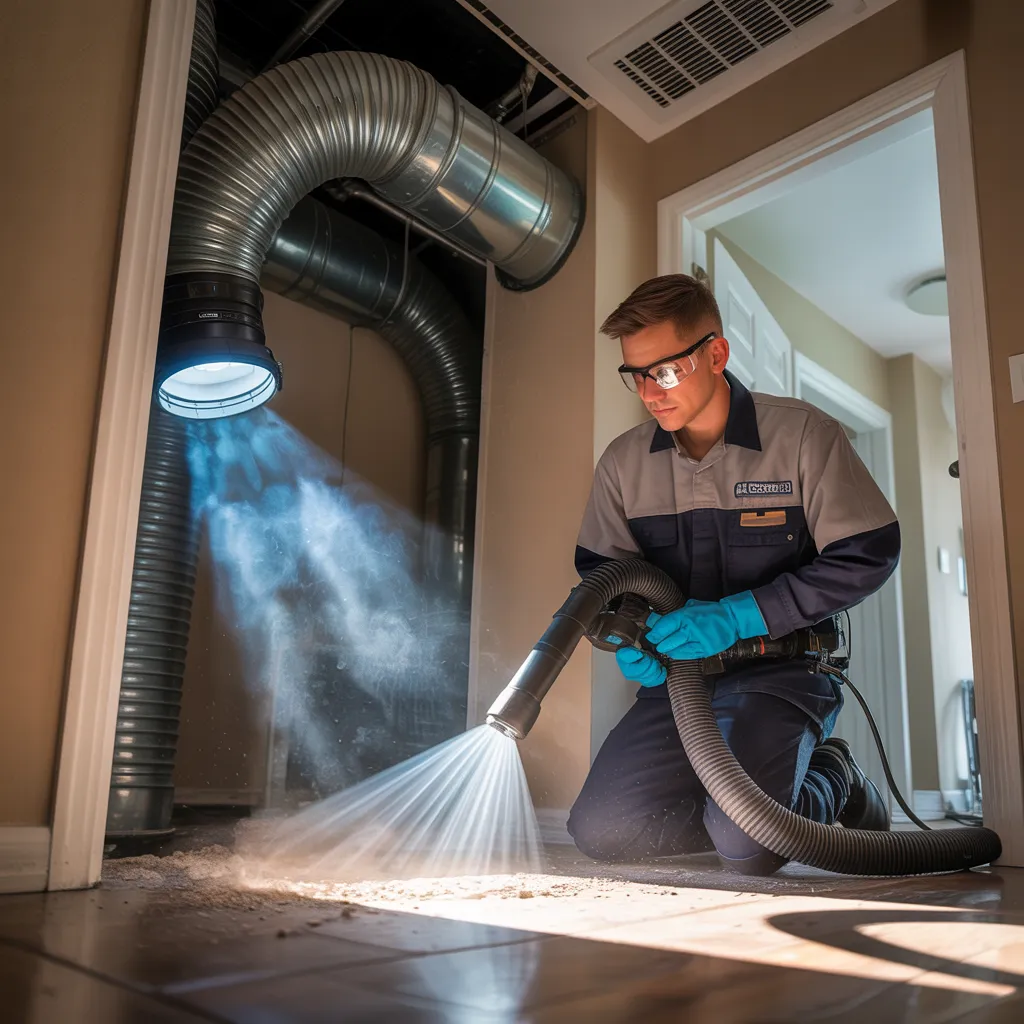
The Effect of Water Harm on Your Home
Water damage can devastate a property, creating considerable structural and appearance-related issues. It weakens the strength of walls, ceilings, and foundations, often causing costly repairs. Extended exposure to moisture encourages mold growth, which creates health risks and can further deteriorate building materials. Floors may bend, and electrical systems can become hazardous when water infiltrates wiring.
Beyond structural concerns, water harm influences a property's worth. Homes with a record of water issues may deter prospective purchasers, resulting in reduced marketability. The aesthetic appeal diminishes as surfaces become marked or discolored, creating an uninviting atmosphere.
Furthermore, the emotional toll on property owners can be substantial, as they struggle with the stress of repair and financial implications. Understanding these impacts is vital for property owners in recognizing the significance of timely intervention and expert help in tackling water damage effectively.
Important Stages in Water Damage Restoration
A systematic water restoration approach is essential for ensuring thorough remediation and preventing additional problems. The first phase involves assessment, where professionals evaluate the degree of damage and identify the cause of water entry. Following this, removal of water is executed to remove pooled water using specialized equipment, minimizing the risk of mold growth.
During removal, thorough drying and dehumidification are fundamental. This action verifies that all affected elements, encompassing walls and flooring, are entirely dried. Following this, cleansing and disinfection transpire to remove contaminants and odors, protecting the property's health.
Finally, repair work involves repairing or replacing damaged structures and materials, restoring the property to its pre-damage condition. Each step must be executed with precision to assure effective recovery and to mitigate extended harm. This all-encompassing process underscores the necessity of professional expertise in maneuvering the challenges of water damage restoration.

Why Selecting Credible Water Damage Services Plays a Key Role
Why should property owners guarantee their homes are returned to safety and comfort after water damage? The answer depends on choosing reliable water damage services. These experts provide expertise and advanced tools vital for effective restoration. A respected service not only tackles immediate concerns but also examines long-term damage, avoiding issues such as mold growth and structural instability.
Opting for a credible service provider assures adherence to industry standards and local regulations, protecting the real estate and its occupants. Experienced specialists implement advanced procedures to uncover hidden water intrusion, a key aspect in thorough remediation. Furthermore, credible solutions often furnish guarantees, affording peace of mind that the job will be accomplished appropriately.
Ultimately, selecting a dependable water damage service can heavily influence the restoration period, bringing about faster recovery timelines and minimizing supplementary damage. This careful consideration is necessary for securing a home restores to its safe and comfortable state effectively.
Looking for Suitable Aid with Water Damage?
When dealing with water damage, individuals must first determine the degree of the damage to identify the appropriate course of action. Looking into regional providers can supply options, but it is vital to assess their credentials to ensure reliable assistance. This approach helps in acquiring effective and trustworthy help for restoration efforts.
Evaluating Destruction Extent
Evaluating the extent of moisture damage is essential for determining the appropriate action and solutions. Professionals often categorize damage into 3 levels: small, medium, and major. Small damage may include minor leaks and surface wetness, generally manageable with simple cleanup. Moderate damage might consist of saturated materials that require professional drying and repair. Major damage often results from widespread flooding, leading to structural concerns and potential mold growth. Proper assessment includes inspecting affected areas, documenting the extent of damage, and identifying any hazardous materials. This thorough evaluation not only informs the recovery process but also helps homeowners comprehend the importance of addressing the issue. Engaging experts early guarantees efficient recovery and minimizes long-term consequences for the property.
Reviewing Area Resources
Finding the appropriate assistance for water damage can significantly impact the recovery process. Local services often offer timely responses, essential for minimizing further damage. People should begin by performing comprehensive internet research, concentrating on ratings and reviews to gauge customer satisfaction. Recommendations from family or friends can also result in reliable choices. It is vital to verify that the services are licensed and insured, guaranteeing professionalism and accountability. In addition, investigating community boards and local directories can reveal extra resources. By creating a list of potential candidates, people can better assess their options and take educated steps. Ultimately, choosing the right local service can greatly ease the weight of water damage recovery.. By assembling a comprehensive list of viable prospects, people can more carefully assess their choices and make informed decisions. Ultimately, choosing the appropriate local service can greatly reduce the burden of water damage recovery.| Discovering appropriate help for water-related issues can profoundly influence the restoration timeline. Local providers customarily deliver rapid turnarounds, paramount for minimizing additional harm. People must begin by executing thorough internet research, focusing on reviews and ratings to assess customer satisfaction. Guidance from loved ones and friends may also direct to trustworthy alternatives. It is imperative to ensure that these providers are insured and properly licensed, guaranteeing accountability and professionalism. In turn, examining local directories and community boards can surface further options. Through compiling a list of potential candidates, individuals can better assess their selections and make informed decisions. Ultimately, opting for the right local service can greatly ease the hardship of water damage recovery.
Assessing Service Credentials
After creating a list of local water damage services, the next step involves assessing their credentials to guarantee reliability and expertise. Prospective clients should check for certifications from established bodies, such as the Institute of Inspection, Cleaning and Restoration Certification (IICRC). These certifications indicate that the service review now provider adheres to industry standards and best practices. Additionally, examining customer testimonials and online ratings can provide insights into the caliber of work. It is also wise to inquire about insurance coverage and warranties, which can provide further assurance of professionalism and accountability. Finally, analyzing the company's years of experience in the field can help determine their capability to manage various water damage situations successfully.
What to Anticipate During Water Damage Repair
During damage recovery, property owners can anticipate a systematic approach aimed at restore their location to its previous condition. The process generally begins with a full-scale assessment, where professionals identify the scope of damage and organize an action plan. This is proceeded by water extraction, deploying purpose-built equipment to clear standing water promptly.
Once the area is fully dry, the focus moves into moisture elimination and humidity reduction, confirming that water is fully extracted from elements to prevent fungal development. After complete drying, repair work include repairing or replacing harmed structures, such as walls and floor coverings.
Throughout this process, communication is critical; property owners are kept informed about progress and any additional findings. Finally, a thorough cleaning and sanitization step confirms the space is safe for habitation, completing the restoration journey and allowing homeowners to return to their restored environment with confidence.
Measures for Avoiding Upcoming Water Harm Risks
To avoid future water damage, it is important to conduct regular maintenance checks throughout the property. This forward-thinking strategy can identify potential issues before they escalate. Additionally, establishing proper drainage solutions is vital for directing water away from vulnerable areas.
Ongoing Service Evaluations
Regular upkeep inspections play an essential role in avoiding future water damage risks, as they allow homeowners to detect and resolve potential issues before they escalate. Routine inspections of plumbing systems, including pipes and fixtures, can help spot leaks or signs of wear. Additionally, checking roofs for missing shingles and ensuring gutters are clear encourages proper water flow away from the home. It is also important to examine windows and doors for seals that may be compromised, as this can lead to moisture infiltration. By scheduling regular maintenance, homeowners can take proactive steps to mitigate water damage risks, ultimately saving time and money while maintaining the integrity of their property.
Effective Moisture Control Solutions
How can property owners successfully stop water-related damage? Using effective drainage solutions is vital. First, making sure that the gutters and downspouts are clean and working properly assists direct rainwater away from the foundation. Property owners should also consider grading their landscape to direct water away from the home, reducing the risk of water pooling near the base. Additionally, setting up drainage solutions, such as French drains or sump pumps, can effectively control excess water in sensitive spots. Regularly inspecting and maintaining these systems is essential to their effectiveness. By prioritizing these drainage strategies, homeowners can significantly reduce the chance of water damage down the line, safeguarding their property against the costly consequences of water intrusion. Proper drainage is a smart investment in the longevity of a home.
Regularly Asked Questions
When Should I Move Forward After Noticing Water Loss?
When you find water damage, immediate action is critical. Professionals recommend tackling the issue within 24 to 48 hours to avoid mold growth and additional structural damage, guaranteeing a more successful restoration process and minimizing long-term consequences.
Will My Policy Pay for Water Damage Repair Costs?
Insurance for water damage repair varies depending on your plan. Usually, homeowners' insurance can pay for these expenses if the damage stems from a covered peril. It is wise to look over the specific policy details or contact an insurance professional.
Should I need to abandon my residence during renovation is underway?
When performing renovation, your capacity to occupy the residence is determined by the severity of damage and restoration work. If comprehensive restoration are needed or perilous conditions exist, interim displacement may be imperative for well-being and convenience.
What Equipment Is Employed in Water Damage Repair?
Water damage restoration generally requires tools including industrial dehumidifiers, air movers, moisture meters, and extraction pumps. These tools work together to remove water, dry affected areas, and inhibit mold development efficiently.
What Steps Should I Take to Avoid Mold Following Water Damage?
To prevent mold growth after water damage, ensure sufficient ventilation, utilize dehumidifiers, promptly dry affected areas, and clean surfaces using anti-mold products. Regularly inspect hidden spaces for moisture to keep a clean environment.